
Stem cell therapy in Mexico: how Holistic Care Clinic approaches it.
Many U.S. patients look into stem cell therapy in Mexico. This article explains how Holistic Care Clinic in Tijuana approaches it, from its on-site laboratory to the evaluation, and lists questions worth asking any clinic. A physician decides after an evaluation whether you are a candidate.
Why do patients look at stem cell therapy in Mexico?
Patients from the United States often ask about stem cell therapy in Mexico, in part because stem cell therapy is not approved by the U.S. FDA for most conditions. Clinics in Mexico operate under Mexican regulation, which is different from U.S. regulation.
Traveling for care is a significant decision. Before you book anything, it is worth understanding how a clinic sources and checks its cells, who makes the medical decisions and what the evidence shows for your condition.
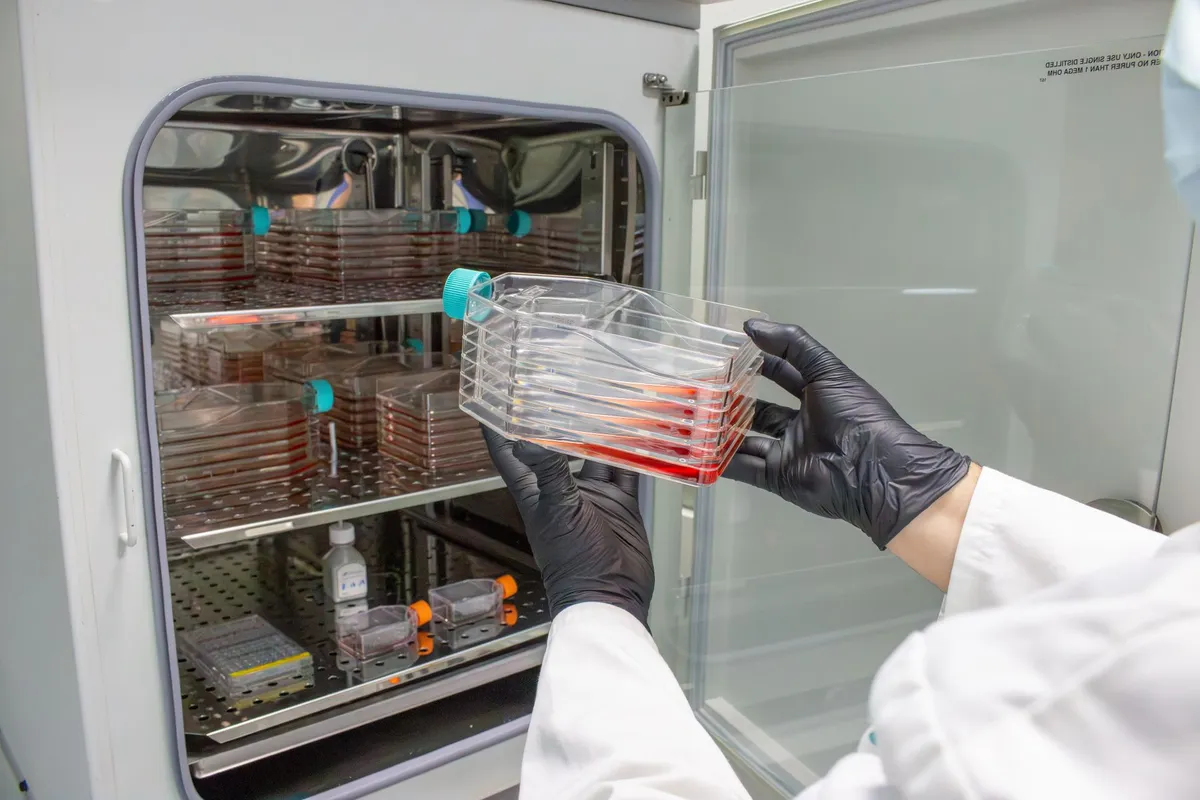
How does the clinic prepare its stem cells?
Holistic Care Clinic prepares its cells in its own laboratory in Tijuana, where a team that includes biochemists and PhD scientists works alongside the physicians. The clinic uses mesenchymal stem cells (MSCs) derived from umbilical cords donated after scheduled cesarean births, with the parents' consent.
- Donated material is processed within 48 hours of collection.
- Sterility testing is done by an independent laboratory.
- Cell count and viability are checked by flow cytometry before a dose is used, and a quality-control certificate comes with each dose.
- The cells are cryopreserved and evaluated after thawing. Fresh cells are available on request.
What happens during the evaluation?
Every plan starts with an evaluation, not a treatment. The physician reviews your history, records and lab results, and may decide that stem cell therapy is not appropriate for you.
- Consultation: your diagnosis, current care, medications and goals.
- Records and imaging from your own physicians and specialists.
- Laboratory work in the clinic's lab, including tumor marker testing.
- A review of your results, including the risks and alternatives that apply to you.
- If you are a candidate, a written plan with the route, timing and any supportive therapies.
Stem cell therapy has risks, including infection, pain or swelling where the cells are given, immune reactions and risks that are not yet fully known. The physician explains them before you decide.
How is stem cell therapy regulated?
In Mexico, health facilities and laboratories are regulated by COFEPRIS, the Federal Commission for the Protection against Sanitary Risks. Holistic Care Clinic operates under licensing from COFEPRIS, Mexico's federal health regulator.
In the United States, the FDA regulates stem cell products and has warned consumers about unapproved stem cell treatments. Mexican and U.S. rules are different, and approval in one country does not stand in for the other.
What should you ask any stem cell clinic?
Whichever clinic you consider, these questions help you compare them on substance rather than marketing.
- Where do the cells come from, and how are donors screened?
- Who prepares the cells, and how are count, viability and sterility checked? Can I see the documentation for my dose?
- Which license do the clinic and its laboratory hold, and from which regulator?
- Who decides whether I am a candidate, and what happens if I am not?
- What does the evidence show for my condition, and what are the risks and alternatives?
- Which route would be used, and what follow-up is planned after I go home?
- Will my own physicians receive a summary of what was done?
Be cautious of any clinic that promises a result, offers a guarantee or says a treatment has no risks.
How do you find out if you are a candidate?
Send your records and request a consultation. A physician reviews them, explains the risks and alternatives and decides after an evaluation whether stem cell therapy is appropriate for you. Results vary, and no result can be promised.
If you go ahead, plan the trip around the schedule the team gives you. The clinic is inside the Grand Hotel Tijuana, a short drive from the San Diego border crossings, and the team can explain the clinic's shuttle service and what travel documents you need. Bring copies of your records and a list of your medications.
Before you leave, ask for a written summary of what was done, including the cells, the dose and the route, so you can share it with your own physicians at home. Keep them informed, and contact the clinic and your doctor promptly if you notice anything unusual after treatment, such as fever, spreading redness or new pain.
Medical disclaimer. Not intended to diagnose, treat, cure, or prevent any disease. Individual results vary. Treatment plans are determined after a medical evaluation, and not every patient is a candidate for every therapy. This page is general information, not medical advice. Last updated .
Stem Cell Therapy in Mexico: common questions.
Have another question? Our patient team can help by phone.
Request InformationHolistic Care Clinic operates under licensing from COFEPRIS, Mexico's federal health regulator. Ask us for the license details before you decide.
No. The clinic is in Mexico and operates under Mexican regulation. Stem cell therapy is not approved by the U.S. FDA for most conditions, and a physician decides after an evaluation whether you are a candidate.
It depends on your plan. Plans that include supportive therapies before the cells are applied usually take several days, and the team gives you a schedule before you travel.
There is no single price. The cost depends on the personalized plan your physician recommends, and our patient team goes over it with you during your consultation.
Take the first step towards better health.
Talk with our patient team about your goals, your records and planning your visit to Tijuana.

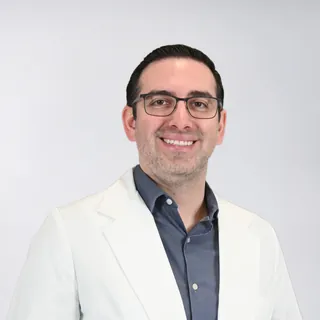
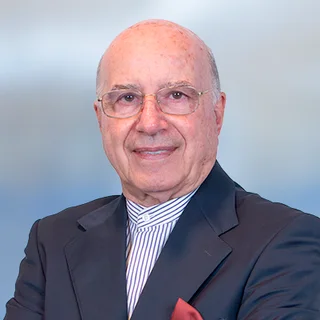
Physician-led careDr. Suenaga, Dr. Porcella and team