
Stem cells and facial skin: what is known so far.
Stem cells and exosomes come up more and more in conversations about skin aging. This article explains how skin changes with age, the established options, what research on stem cells for skin is studying and how facial PRP differs. A physician decides after an evaluation whether any aesthetic treatment is appropriate for you.
How does skin change with age?
With age, skin makes less collagen and elastin, the proteins that keep it firm and elastic, and it renews its outer layer more slowly. Sun exposure, smoking, sleep and genetics all influence how quickly these changes show.
The result is familiar: fine lines, wrinkles, thinner or looser skin, uneven tone and age spots. These are normal changes, not a disease, and how much they matter is a personal decision.
Dermatologists often separate intrinsic aging, the changes that come with time and genetics, from extrinsic aging caused by sun and the environment. Sun exposure is a major cause of visible change in facial skin, which is why sun protection appears in almost every skin care plan.
What are the established options for aging skin?
Dermatologists and plastic surgeons use a range of options, and the right one depends on your skin, your goals and how much downtime you accept.
- Daily sunscreen and sun protection, the foundation of most skin care plans.
- Topical retinoids and other prescription or over-the-counter skin care.
- Chemical peels, microneedling and laser or light-based treatments.
- Injectable treatments, such as botulinum toxin and dermal fillers.
- Surgical procedures, such as a facelift or eyelid surgery.
Each of these has its own risks and recovery time, which a qualified clinician should explain before you decide.
What is research on stem cells for skin studying?
Researchers are studying mesenchymal stem cells (MSCs), the proteins they release and exosomes for skin and tissue. Most of this work is in the laboratory or in small early studies, so the evidence in people is limited.
Stem cell therapy is not approved by the U.S. FDA for cosmetic use, and exosome products are not approved by the U.S. FDA to treat any condition. Be cautious of products or clinics that promise a specific cosmetic result.
Labels can also be confusing. Some skin products described as stem cell products contain plant stem cell extracts, growth factors or culture media rather than living human cells, so ask exactly what a product contains.
How is facial PRP different?
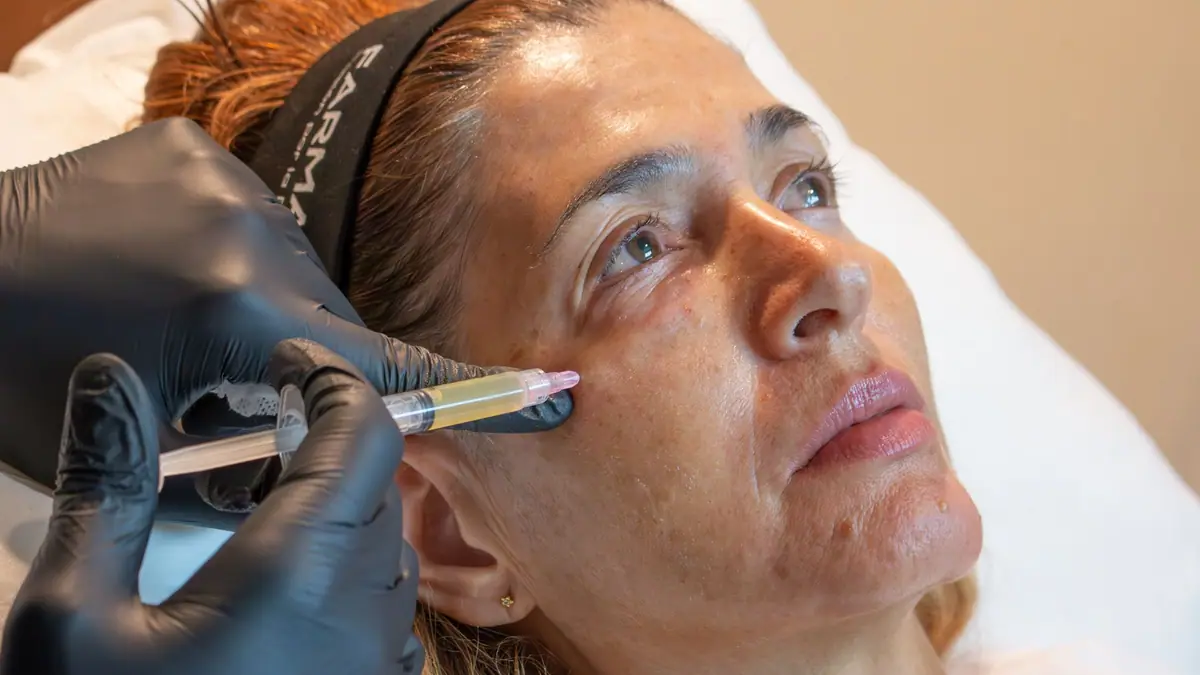
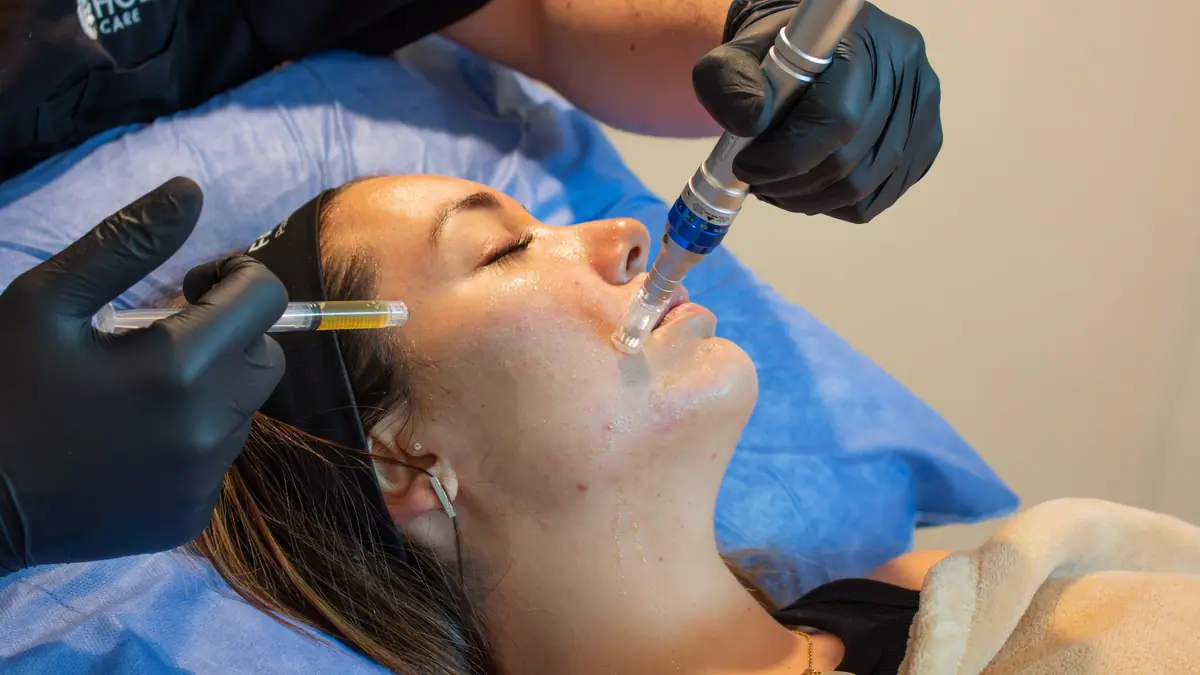
Facial PRP uses platelet-rich plasma prepared from a small sample of your own blood, which is then applied to the skin, often with microneedling. Because it comes from your own blood, it is a different kind of product from donated stem cells.
PRP is used in aesthetic care, and research on it for skin is ongoing, with mixed results. Possible side effects include redness, swelling, bruising and tenderness for a few days. PRP isn't appropriate for everyone, for example people with some blood or platelet disorders.
What should you ask before an aesthetic treatment?
Any treatment that involves needles or injected products has risks, including bruising, swelling, infection and allergic reactions. These questions are worth asking wherever you go.
- What exactly will be applied, and where does it come from?
- What does the evidence show, and what is realistic for my skin?
- What are the risks, the downtime and the aftercare?
- What are the alternatives, including established options?
- Who performs the procedure, and what happens if I have a reaction?
Tell the physician if you are pregnant or breastfeeding, take blood thinners, have an active skin infection or cold sores, have an autoimmune condition or tend to form raised scars. Some treatments are not appropriate in these situations, or need to wait.
What aesthetic care does Holistic Care Clinic offer?
The clinic offers regenerative aesthetic care, such as facial and hair PRP, and the physician may discuss stem cell or exosome products for skin when appropriate. A physician evaluates your skin, health and goals first, explains the risks and alternatives and decides whether any treatment is appropriate. Results vary from person to person.
Bring a list of past cosmetic treatments, including fillers, peels and laser treatments, and any current skin care prescriptions, so the physician can plan around them.
Medical disclaimer. Not intended to diagnose, treat, cure, or prevent any disease. Individual results vary. Treatment plans are determined after a medical evaluation, and not every patient is a candidate for every therapy. This page is general information, not medical advice. Last updated .
Stem Cell Therapy for the Face: common questions.
Have another question? Our patient team can help by phone.
Request InformationWe can't promise a specific cosmetic result. Research on stem cells for skin is early and limited, and the physician talks with you about realistic expectations during your evaluation.
No. Facial PRP is prepared from your own blood, while stem cell products use cells prepared in a laboratory. The physician explains the difference and which, if either, is appropriate for you.
It depends on the treatment. Redness, swelling or bruising for a few days is common after needle-based treatments, and the physician explains the aftercare before you decide.
There is no single price. The cost depends on the personalized plan your physician recommends, and our patient team goes over it with you during your consultation.
Take the first step towards better health.
Talk with our patient team about your goals, your records and planning your visit to Tijuana.

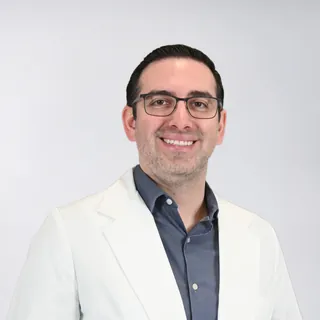
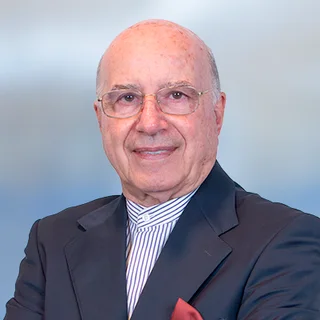
Physician-led careDr. Suenaga, Dr. Porcella and team