
Integrative neurological care: what it is and what it isn't.
Integrative neurological care adds a medical review and supportive services to the care you already receive from your neurologist. This article explains what an integrative consultation at Holistic Care Clinic in Tijuana involves, the services that may be discussed and when symptoms need emergency care. A physician decides after an evaluation whether any therapy is appropriate.
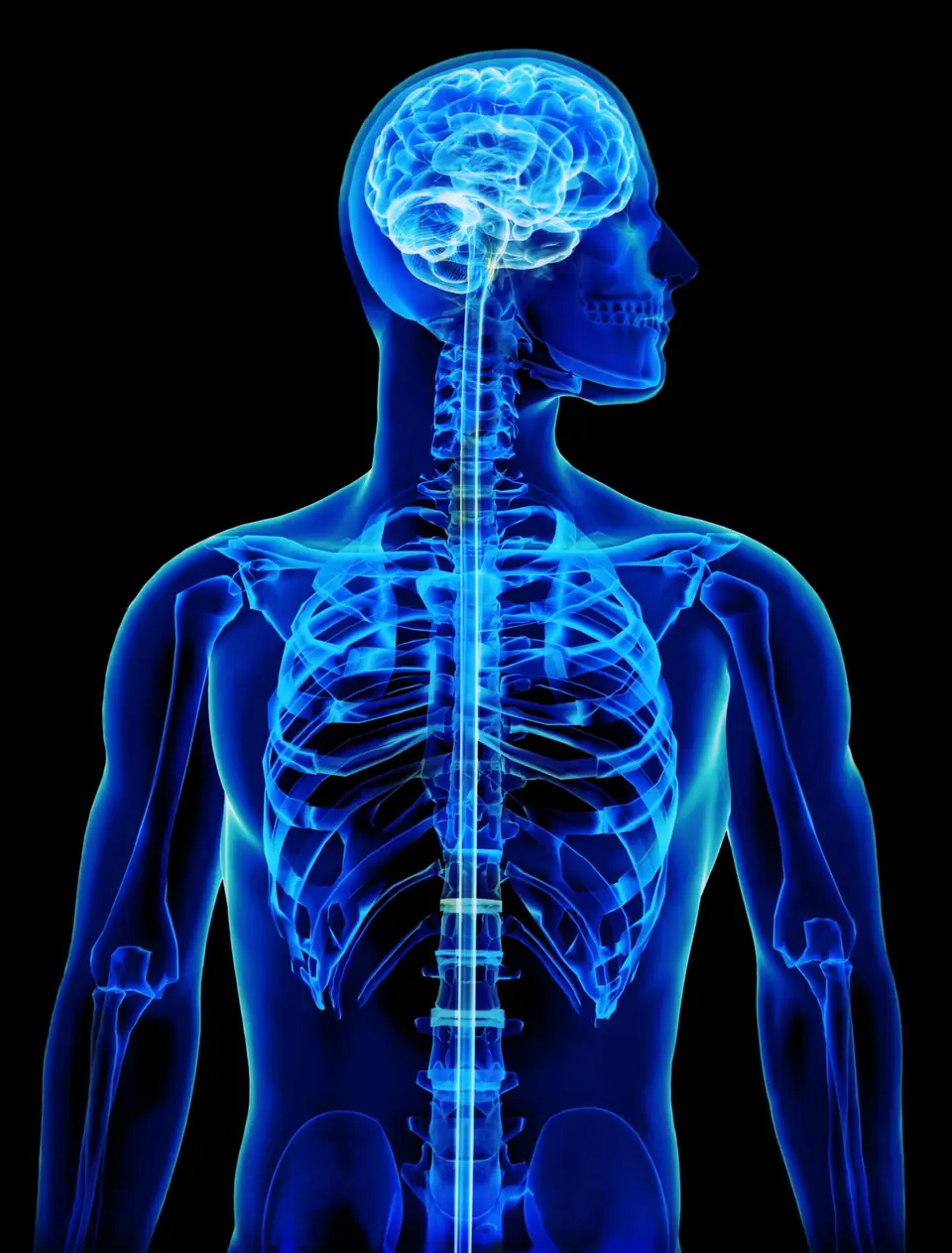
What is integrative neurological care?
Integrative care looks at a person's overall health, including nutrition, sleep, medications and other conditions, alongside standard medical care. In neurology, that means supportive services that complement, never replace, care from your neurologist, psychiatrist or rehabilitation team.
Patients ask about it for many reasons: memory or focus concerns, the effects of a past stroke or injury, or a long-term neurological diagnosis. Each of these needs a proper diagnosis from a specialist first.
New or changing neurological symptoms, such as memory loss, numbness, weakness, tremor or changes in speech or vision, should be checked by your own doctor or a neurologist. An integrative consultation is not the place to get a first diagnosis.
What happens in a consultation?
The consultation starts with your history and records, and it may end with no recommendation for care at the clinic. A family member or caregiver is welcome to join you.
- Your diagnosis, when symptoms began and the care received so far.
- Recent imaging and notes from your neurologist or other specialists.
- Current medications and supplements, to check for interactions.
- Laboratory testing, if the physician considers it appropriate.
- Your questions and goals, and a frank talk about what the clinic can and can't offer.
Some supplements and IV ingredients can interact with prescription medication, including blood thinners, seizure medication and antidepressants. That is why the physician reviews everything you take before suggesting anything.
Which IV formulas may be discussed?
The clinic offers several IV formulas. Two that patients ask about in a neurological context are described below by what they contain, not by what they do. The physician decides whether either is appropriate, the dose and how often.
- Somazine (Somazina): citicoline, a compound the body makes from choline and uses to build cell membranes. It has been studied in stroke, memory decline and other neurological conditions, with mixed results.
- Carzilasa: cocarboxylase, the active coenzyme form of vitamin B1 (thiamine), which cells use to turn carbohydrates into energy.
IV therapy has its own risks, including bruising or irritation at the needle site, infection and reactions to an ingredient. The nursing team monitors you during the session.
What about peptides and ozone therapy?
Peptides are short chains of amino acids. Some are being studied for their role in signaling in the brain, but research in mood and neurological conditions is early, and some peptides used in integrative care are not approved by the U.S. FDA. The physician explains which peptide, if any, would be used, its regulatory status and its risks.
Ozone therapy is offered at the clinic in several forms, including EBOO. It is not approved by the U.S. FDA for neurological conditions, it has risks and it requires screening first.
Are stem cells part of neurological care?
Stem cells are being studied for some neurological conditions, and research is ongoing. Stem cell therapy is not approved by the U.S. FDA for any neurological disease, it has risks and a physician decides after an evaluation whether a patient is a candidate.
Most studies so far are early and small. Possible risks include infection, fever, immune reactions and risks that are not yet fully known, and routes that place cells near the spinal cord carry risks of their own. The physician explains the risks and alternatives before you decide.
How does this fit with my neurologist and mental health care?
Your neurologist, psychiatrist, therapist and rehabilitation team lead your care. Please share anything discussed at Holistic Care Clinic with them, and keep up your current treatment. Bring a copy of any plan from the clinic to your next appointment so your specialists can review it.
Depression and anxiety are medical conditions with established treatments, including psychotherapy and medication. If you are struggling, talk to your doctor or a mental health professional. In the U.S., you can call or text 988 to reach the Suicide and Crisis Lifeline at any time.
Sources
Medical disclaimer. Not intended to diagnose, treat, cure, or prevent any disease. Individual results vary. Treatment plans are determined after a medical evaluation, and not every patient is a candidate for every therapy. This page is general information, not medical advice. Last updated .
Integrative Neurological Care: common questions.
Have another question? Our patient team can help by phone.
Request InformationWe can't say that any IV will change memory, mood or a neurological condition. Research on ingredients such as citicoline is mixed. A physician decides after an evaluation whether any IV is appropriate, and it would complement, not replace, care from your own doctors.
No. Please don't stop or change any medication, including antidepressants or neurological medication, without talking to the clinician who prescribed it.
Recent imaging, notes from your neurologist or other specialists, a list of current medications and supplements and a short summary of the care you have received so far.
There is no single price. The cost depends on the personalized plan your physician recommends, and our patient team goes over it with you during your consultation.
Take the first step towards better health.
Talk with our patient team about your goals, your records and planning your visit to Tijuana.

Physician-led careDr. Suenaga, Dr. Porcella and team