
Amino acid IVs and addiction: what to know first.
Some clinics promote amino acid IVs for drug detox, but they are not approved by the U.S. FDA to treat addiction, withdrawal or cravings. This article explains how substance use disorder is treated, why withdrawal needs medical supervision and where to find help. Holistic Care Clinic is not an addiction treatment program and does not replace one.
What is substance use disorder?
Substance use disorder is a medical condition in which a person keeps using alcohol or drugs despite harm to their health, relationships or daily life. It involves changes in the brain's reward, motivation and self-control systems, and it is not a moral failing or a lack of willpower.
Like other chronic health conditions, it can be treated, and recovery is possible with treatment and support. It is diagnosed and treated by physicians and clinicians trained in addiction medicine, psychiatry and counseling.
How is addiction treated?
Addiction is treated with evidence-based care led by addiction specialists. The right combination depends on the substance, the person's health and their goals, and care can take place in outpatient, intensive outpatient or residential programs. Options include:
- Medications for opioid use disorder, such as buprenorphine, methadone and naltrexone, which are approved by the U.S. FDA.
- Medications for alcohol use disorder, such as naltrexone, acamprosate and disulfiram, which are also FDA-approved.
- Counseling and behavioral therapies, such as cognitive behavioral therapy and contingency management.
- Care for health conditions that often occur alongside addiction, such as depression or anxiety.
- Peer support and recovery support services.
Naloxone is a medicine that can reverse an opioid overdose. It is available without a prescription in the U.S., and people who use opioids, and the people close to them, are encouraged to keep it on hand.
Why does withdrawal need medical supervision?
Withdrawal from some substances can be dangerous. Stopping alcohol or benzodiazepines suddenly after heavy or long-term use can cause seizures and delirium, which can be life-threatening, so this kind of withdrawal should be managed by a medical team.
Opioid withdrawal is usually not life-threatening on its own, but it can be severe, can cause dehydration and lowers tolerance. Using opioids again after a period without them carries a high risk of overdose, which is one reason medications for opioid use disorder are recommended.
Please don't stop alcohol, benzodiazepines or opioids suddenly without medical guidance, and don't try to detox at home or anywhere that isn't set up for medically supervised withdrawal.
Call 911 or your local emergency number for a seizure, confusion, hallucinations, chest pain, trouble breathing or signs of an overdose, such as very slow breathing, blue lips or being unable to wake up.
What are amino acid IVs?
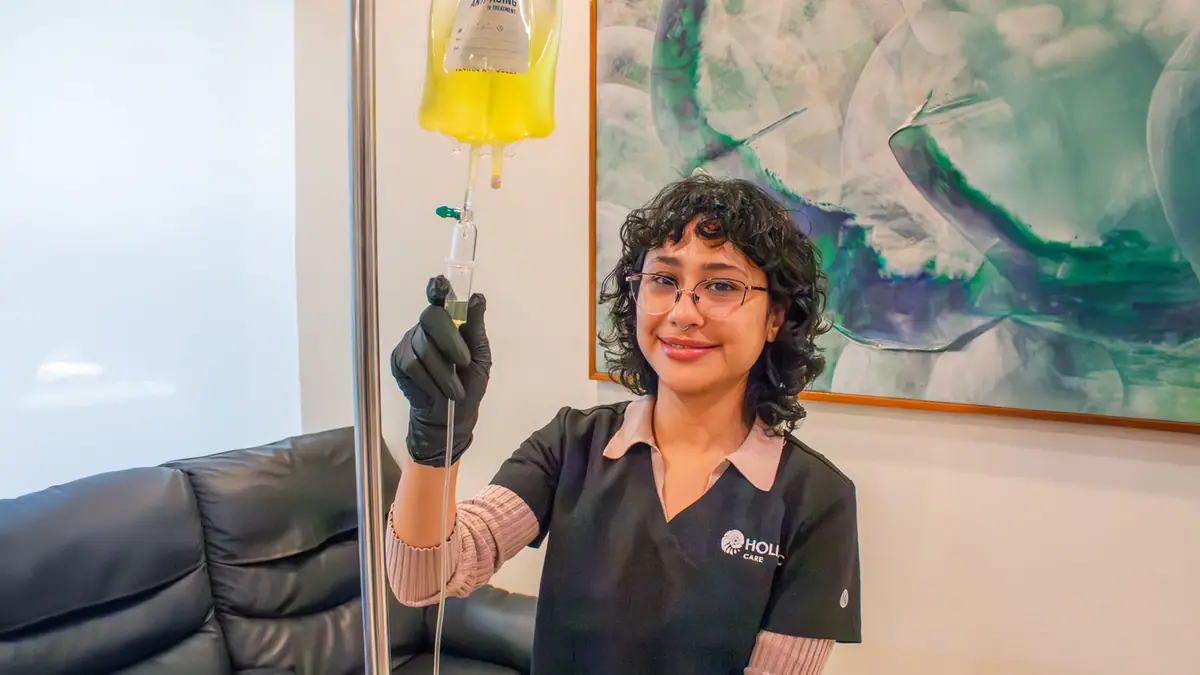
Amino acids are the building blocks of proteins. The body makes some of them and gets others, called essential amino acids, from food. An amino acid IV delivers a solution of amino acids into a vein, often with B vitamins and minerals added.
Some clinics promote amino acid or NAD+ IVs for detox, withdrawal or cravings. These IVs are not approved by the U.S. FDA to treat addiction, withdrawal or cravings, research on them is limited and they are not a substitute for evidence-based addiction treatment.
The clinic's IV menu lists a B vitamin and amino acid IV, which contains B vitamins, amino acids and minerals. Like every IV at the clinic, it is given only when a physician considers it appropriate after an evaluation, and it is not a treatment for addiction.
Where can you find addiction treatment?
In the U.S., the SAMHSA National Helpline at 1-800-662-4357 offers free, confidential treatment referrals and information 24 hours a day, 7 days a week. SAMHSA's FindTreatment.gov website lists licensed treatment facilities by location. Other places to start include:
- Your primary care doctor, who can start some treatments and refer you to a specialist.
- An addiction medicine physician or a psychiatrist.
- Licensed outpatient, intensive outpatient and residential treatment programs.
- Mutual support groups and peer recovery services.
Can Holistic Care Clinic help with addiction?
No. Holistic Care Clinic is not an addiction treatment program, does not provide withdrawal management and does not replace an addiction treatment program. If you want help with drug or alcohol use, start with an addiction treatment provider, your own doctor or the SAMHSA National Helpline.
If you are in recovery and want care at the clinic for another reason, tell the medical team about your history and any medicines you take, such as buprenorphine, methadone or naltrexone, so the physician can take them into account. Please keep your addiction treatment team informed of anything you receive here.
- IV therapyWhat the clinic's IVs contain. Not a treatment for addiction.
- Medical evaluationA review of your history, current care and goals with the medical team.
Medical disclaimer. Not intended to diagnose, treat, cure, or prevent any disease. Individual results vary. Treatment plans are determined after a medical evaluation, and not every patient is a candidate for every therapy. This page is general information, not medical advice. Last updated .
Amino Acid IVs and Addiction: common questions.
Have another question? Our patient team can help by phone.
Request InformationNo. Amino acid IVs are not approved by the U.S. FDA to treat addiction, withdrawal or cravings, and research on them is limited. Evidence-based treatment includes FDA-approved medications and counseling, led by addiction specialists.
It can be dangerous. Withdrawal from alcohol or benzodiazepines can cause seizures and can be life-threatening, and opioid withdrawal raises the risk of overdose if use starts again. Talk to a doctor or call the SAMHSA National Helpline at 1-800-662-4357 before stopping.
It is a free, confidential U.S. helpline run by the Substance Abuse and Mental Health Services Administration, open 24 hours a day, 7 days a week, in English and Spanish. Call 1-800-662-4357 for treatment referrals and information.
No. The clinic is not an addiction treatment program and does not replace one. If you are in recovery and come to the clinic for other care, tell the medical team about your history and medicines.
Take the first step towards better health.
Talk with our patient team about your goals, your records and planning your visit to Tijuana.
Physician-led careDr. Suenaga, Dr. Porcella and team