
Prolozone, what to know about ozone injections.
Prolozone is an injection technique that combines ozone and oxygen gas with other injectable substances, given into or around a painful joint or soft tissue. This article explains what it involves, the U.S. FDA's position on ozone and the risks. A physician decides after an evaluation whether any ozone therapy is appropriate for you.
What is Prolozone?
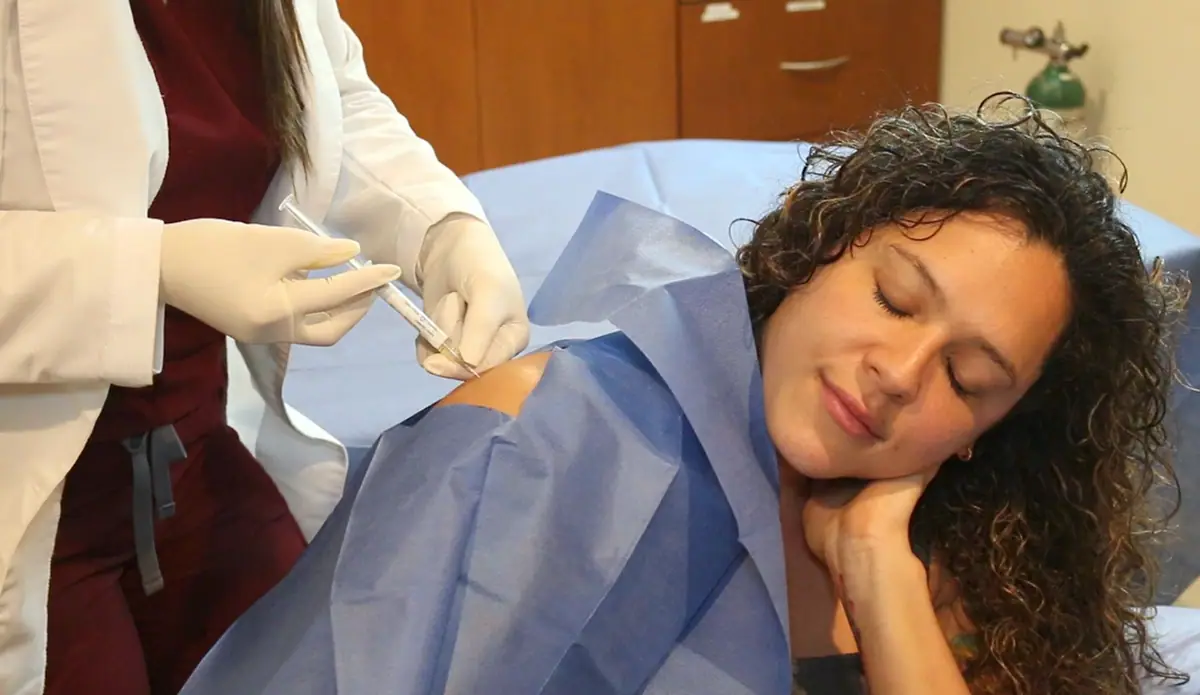
Prolozone is an injection technique that combines ideas from prolotherapy, neural therapy and ozone therapy. A mixture of medical ozone and oxygen gas, together with other injectable substances, is injected into or around a degenerated or injured joint, or into an area of soft tissue pain.
Prolotherapy uses an irritant solution at the points where ligaments and tendons attach to bone. Neural therapy injects a local anesthetic, such as procaine, into specific areas. Prolozone brings these approaches together with ozone gas in one procedure. Practitioners who use it often give it as a series of sessions, and protocols vary.
What is in a Prolozone injection?
The mixture differs between practitioners, and the physician explains what would be used and why. Descriptions of the technique list combinations of:
- Ozone and oxygen gas.
- Procaine, a local anesthetic.
- Anti-inflammatory medications.
- Homeopathic preparations.
- Vitamins and minerals.
- Proliferative (irritant) solutions, such as those used in prolotherapy.
Ask which ingredients are in each injection and what is and isn't known about each one.
What is medical ozone, and has it been studied in injections?
Ozone is a form of oxygen made of three oxygen atoms instead of two. For medical use, a generator produces a measured mixture of ozone and medical-grade oxygen. Ozone irritates the lungs, so it is never meant to be inhaled.
Ozone injections into joints, soft tissue and near spinal discs have been studied, mostly in small trials for knee osteoarthritis and for low back pain linked to herniated discs. The evidence is limited and mixed and the methods differ between studies. It is not established whether the injections help or for whom.
Researchers have proposed that small doses of ozone act as a mild oxidative stimulus in tissue, but how ozone injections might work, if they do, is still being studied. Studies of Prolozone itself, with its added ingredients, are scarce, and when several substances are combined it is hard to tell which part of an injection is responsible for any effect.
What is the FDA's position on ozone?
Ozone therapy, including Prolozone, is not approved by the U.S. FDA. The FDA's position is that ozone is a toxic gas with no known useful medical application in specific, adjunctive or preventive therapy.
Some of the other ingredients, such as procaine or anti-inflammatory medications, are approved drugs, but combining them with ozone in a joint injection is not an approved use.
Ozone therapy is offered in some other countries, including Mexico. If you are considering it, your physician explains the risks and alternatives before you decide, and it does not replace care from your own doctors.
What are the risks of Prolozone?
Prolozone is an injection of a reactive gas and other substances, so it has risks. The physician screens you first and explains them:
- Pain, swelling, stiffness or bruising where the needle was placed.
- A temporary increase in pain in the days after the injection.
- Infection at the injection site or in the joint.
- Allergic or other reactions to procaine or another ingredient in the mixture.
- Nerve irritation or injury, and additional risks for injections near the spine.
- Rarely, serious complications such as a gas embolism, a gas bubble in a blood vessel.
Tell the medical team about every medication and supplement you take, including blood thinners, and about conditions such as G6PD deficiency, pregnancy or an overactive thyroid, which the physician screens for before any ozone therapy.
Is Prolozone offered at Holistic Care Clinic?
The clinic's ozone services include ozone injections into joints, soft tissue or near spinal discs, sometimes combined with PRP or hyaluronic acid. Ask our patient team whether Prolozone is offered under that name and which mixture would be used.
Every ozone treatment starts with a medical evaluation and bloodwork, and a physician decides whether any of them is appropriate for you. Please bring any imaging of the painful joint or area and a list of your medications to the evaluation.
Medical disclaimer. Not intended to diagnose, treat, cure, or prevent any disease. Individual results vary. Treatment plans are determined after a medical evaluation, and not every patient is a candidate for every therapy. This page is general information, not medical advice. Last updated .
Prolozone: common questions.
Have another question? Our patient team can help by phone.
Request InformationNo. Ozone therapy, including Prolozone and EBOO, is not approved by the U.S. FDA. Your physician can explain how ozone is used at the clinic, its risks and the alternatives.
Prolotherapy injects an irritant solution, most often dextrose, where ligaments and tendons attach to bone. Prolozone adds ozone and oxygen gas and other substances, such as a local anesthetic, to the injection.
No. Prolozone is an injection into or around a joint or soft tissue. EBOO is an IV procedure in which blood circulates through a filter and an ozone unit outside the body and returns through a second line.
Like other joint injections, it can be uncomfortable, and a local anesthetic such as procaine is often part of the mixture. Tell the team right away about fever, spreading redness, severe pain or shortness of breath after an injection.
Take the first step towards better health.
Talk with our patient team about your goals, your records and planning your visit to Tijuana.



Physician-led careDr. Suenaga, Dr. Porcella and team